Musk vs. Altman: A Court Battle That Could Shape AI’s Future
This week, Elon Musk, CEO of Tesla and SpaceX, is set to face off against Sam Altman, CEO of OpenAI, in court. Musk accuses Altman of violating the original non-profit mission of the private AI development organization. Musk claims he was deceived when Altman transformed OpenAI from a non-profit entity into a profit-driven giant. Following the immense success of ChatGPT, OpenAI is now valued at nearly $1 trillion and is seeking to go public. “This is a clash between two giant personalities, Elon Musk and Sam Altman,” stated tech journalist Casey Newton. “I believe the stakes of this confrontation could determine the future of OpenAI and the entire development of AI.”
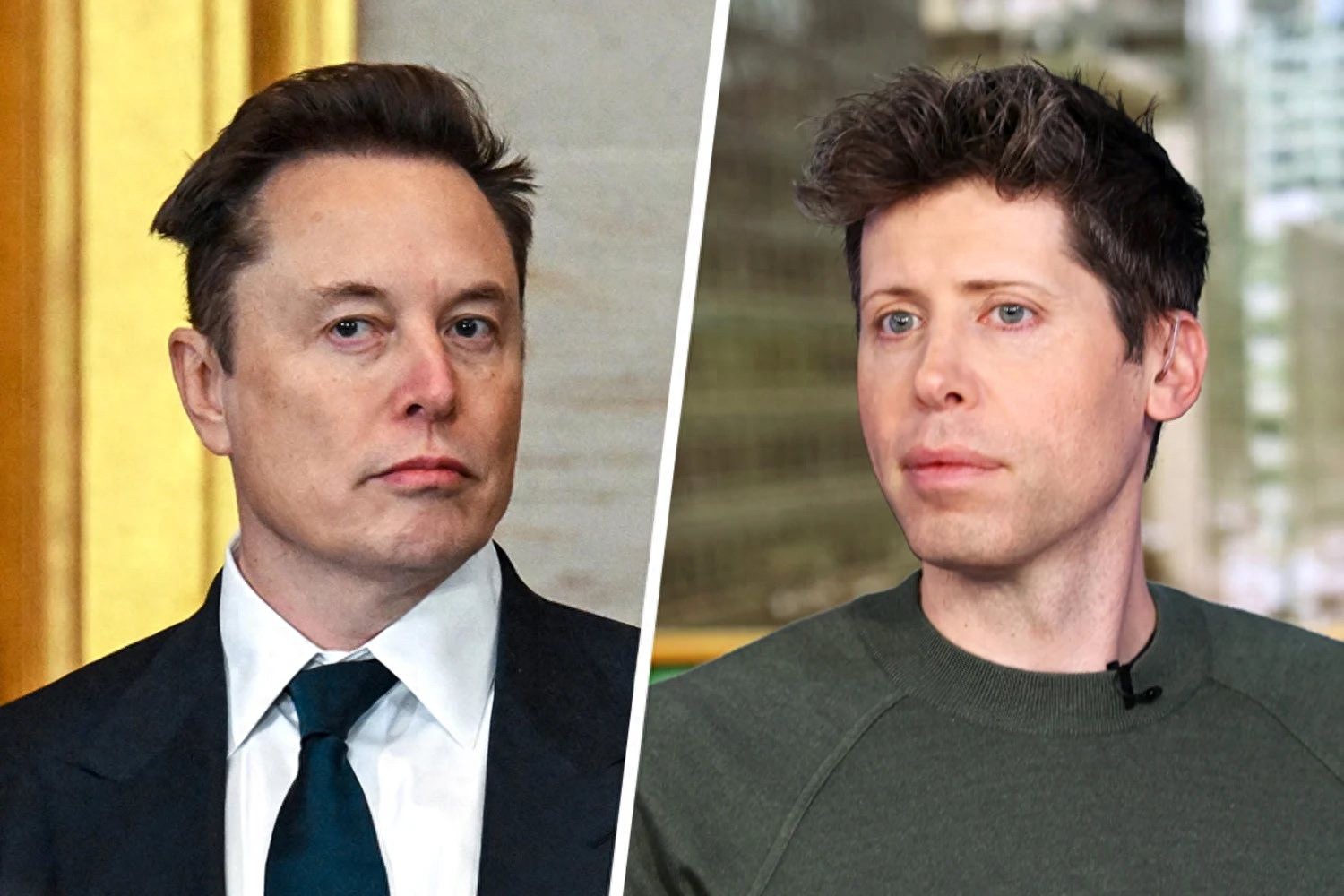
Non-Profit vs. Profit Debate
OpenAI was co-founded in 2015 by Musk, Altman, and others as a charity aimed at creating AI that benefits humanity, free from shareholder pressure and profit considerations. However, the founders soon realized that to raise sufficient funds for the computing power and chips needed to build world-class AI, they had to attract wealthy investors, which was best achieved by forming a profit-oriented company.
Musk and Altman had disputes over who would lead the company, ultimately resulting in Musk’s defeat. He left the OpenAI board in 2018, citing potential conflicts of interest with Tesla. In 2023, Musk founded his own AI company, xAI, which currently lags behind OpenAI in user engagement. Musk has since integrated xAI into SpaceX, which may conduct its initial public offering (IPO) this year, potentially the largest in history.
Musk argues that when OpenAI transitioned to a profit-oriented business, Altman and other executives violated the law. Technically, the profit-making company established in 2019 is a subsidiary of the non-profit OpenAI Foundation, but it has grown far beyond the charitable organization. It is understood that non-profit organizations can establish subsidiaries for commercialization, and OpenAI’s “capped-profit model” is legally permissible.
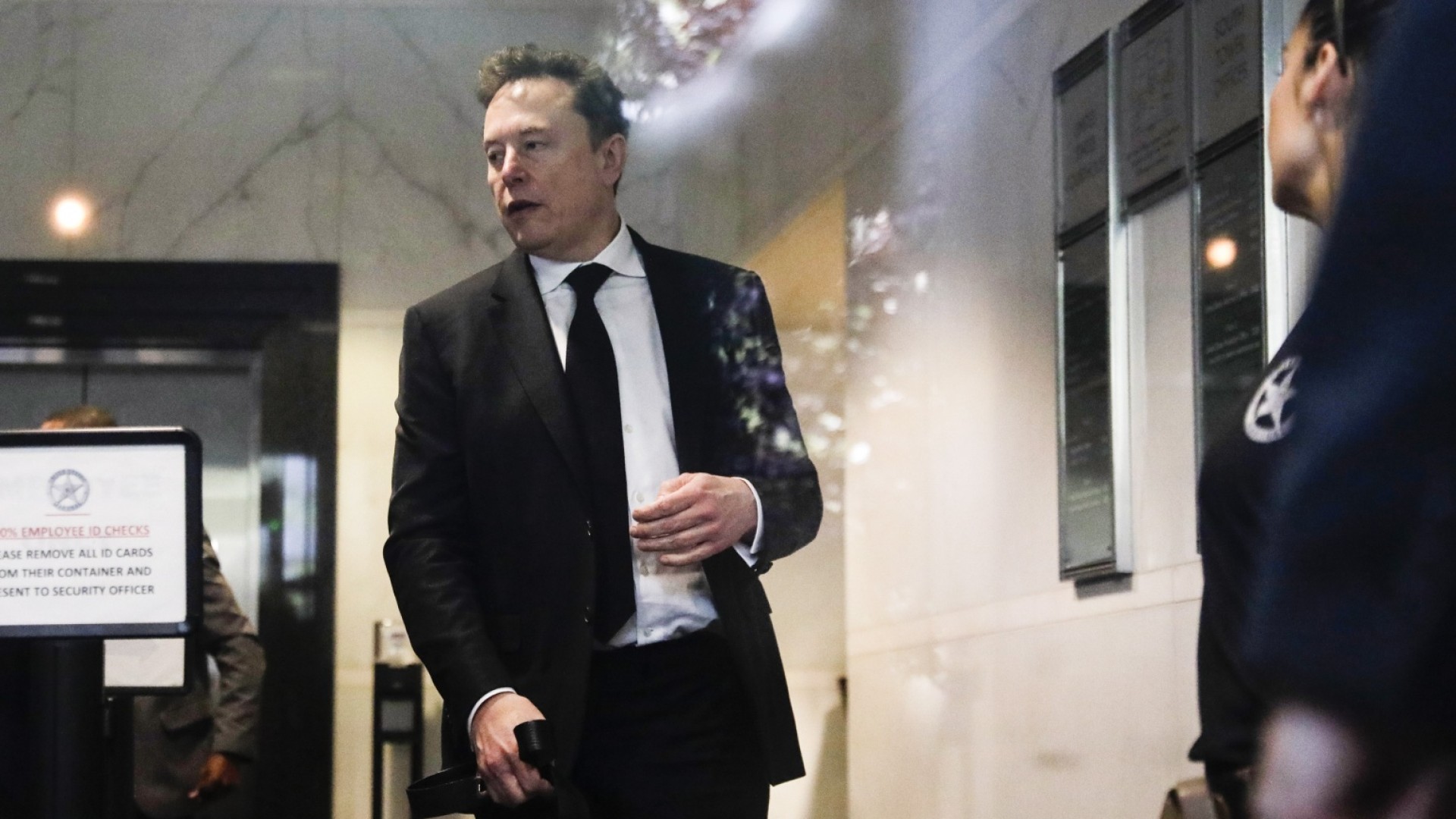
“Their betrayal and fraud have reached Shakespearean levels,” Musk’s lawyer wrote in a court document, adding that Altman has been engaged in a “long-term deception.”
OpenAI contends that Musk was fully aware that the company needed to pursue a profit route and participated in related discussions.
For Ideals or Money?
“If we allow the looting of charities to become tolerated behavior, the entire foundation of charitable donations in America will be destroyed,” Musk testified on the first day of hearings on the 28th. “That is precisely what I am concerned about.”
“The idea and name of (OpenAI) were proposed by me. I recruited key personnel, imparted everything I knew to them, and provided all the initial funding,” Musk stated. “It was explicitly meant to establish a charity that would not benefit any individual. I could have made it a profit-making enterprise, but I deliberately chose not to.”
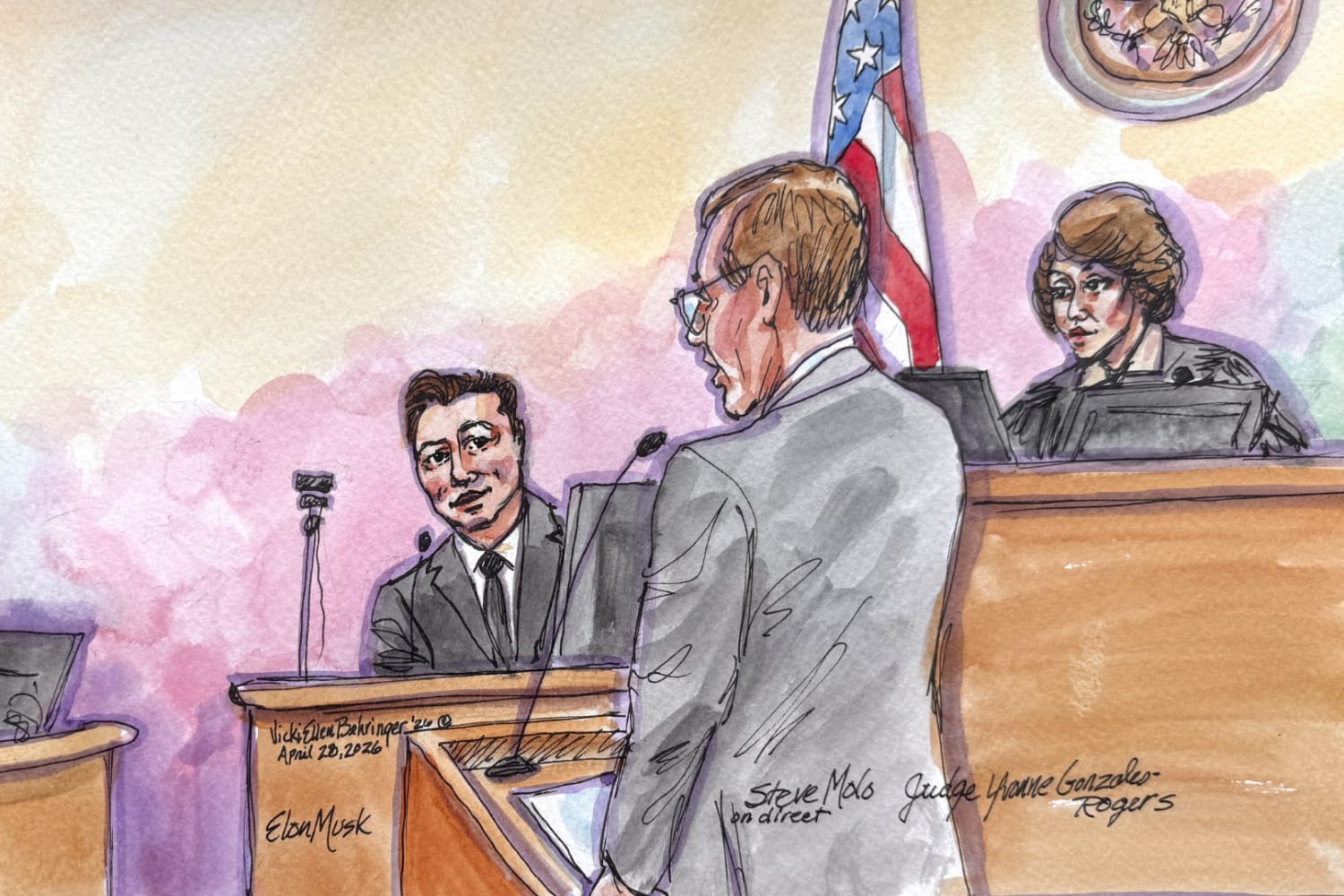
“I have extreme concerns about AI,” Musk noted during his testimony. He stated that while AI could make everyone prosperous, it could also lead to terrible consequences for humanity, which motivated him to establish a non-profit organization dedicated to creating “safe” and “open” AI systems. “We do not want an outcome like that in the movie ‘Terminator,’” he said.
OpenAI has consistently refuted Musk’s allegations, claiming that his lawsuit stems from jealousy and regret.
“We are here today because Mr. Musk’s judgment of OpenAI has proven to be gravely mistaken. We are here today because Mr. Musk is now competing with OpenAI,” said OpenAI’s chief lawyer, William Savitt, during Tuesday’s opening statement. “Because he is a competitor, Mr. Musk will stop at nothing to attack OpenAI.”
Additionally, Savitt pointed out to the jurors that it was Musk himself who saw the allure of money while funding OpenAI’s early development and pushed it to become a profit-oriented enterprise, a company he ultimately sought to lead as CEO. Savitt stated that Musk wanted the “keys to the kingdom” and only filed a lawsuit after failing to achieve that. “What matters to Elon is that he occupies the top position,” Savitt said in his opening statement.
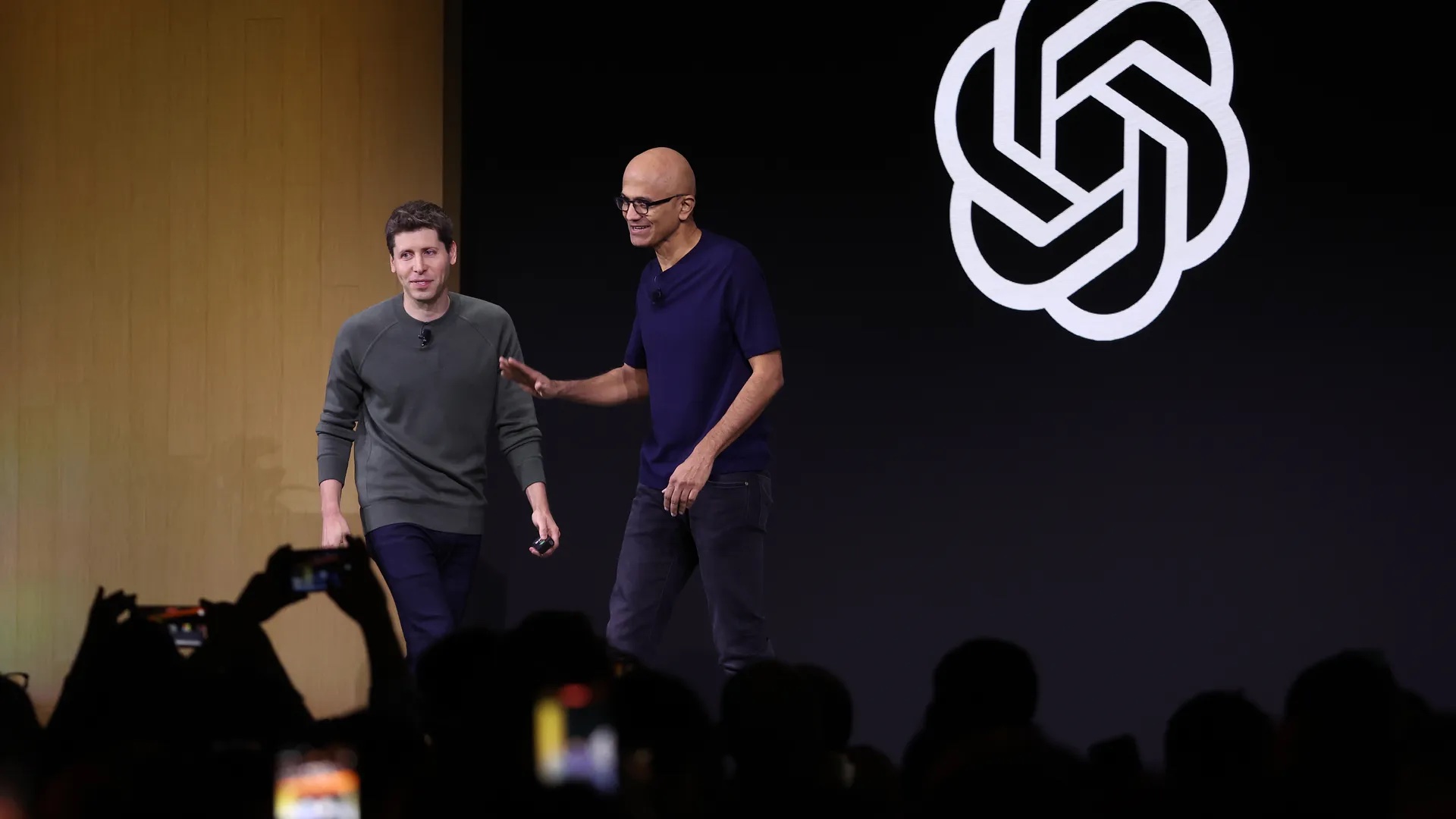
Musk’s lawyer, Steven Molo, told the jurors that the real greed lies with the defendant, OpenAI, as it has attracted investors, including Microsoft. In January 2023, Microsoft invested $10 billion in OpenAI. “This (referring to OpenAI) is not a tool for making people rich,” Molo stated.
Musk is expected to continue testifying on the 29th local time.
Seeking to Surpass with xAI Through Lawsuit?
In this lawsuit, Musk is seeking $150 billion in damages from OpenAI and one of its largest investors, Microsoft, and he wants the compensation to be allocated to OpenAI’s charitable branch. He also hopes to restore OpenAI to a non-profit organization, remove Altman and OpenAI co-founder and president Greg Brockman from executive positions, and exclude Altman from the board.
According to court documents, Musk was the largest individual financial supporter of OpenAI in its early days, donating over $44 million to the startup. Since the launch of ChatGPT, OpenAI’s visibility has surged. In court documents, OpenAI stated that it has nearly 1 billion weekly active users and is valued at $852 billion. OpenAI recently completed a funding round of $122 billion and is reportedly planning an IPO, potentially later this year.
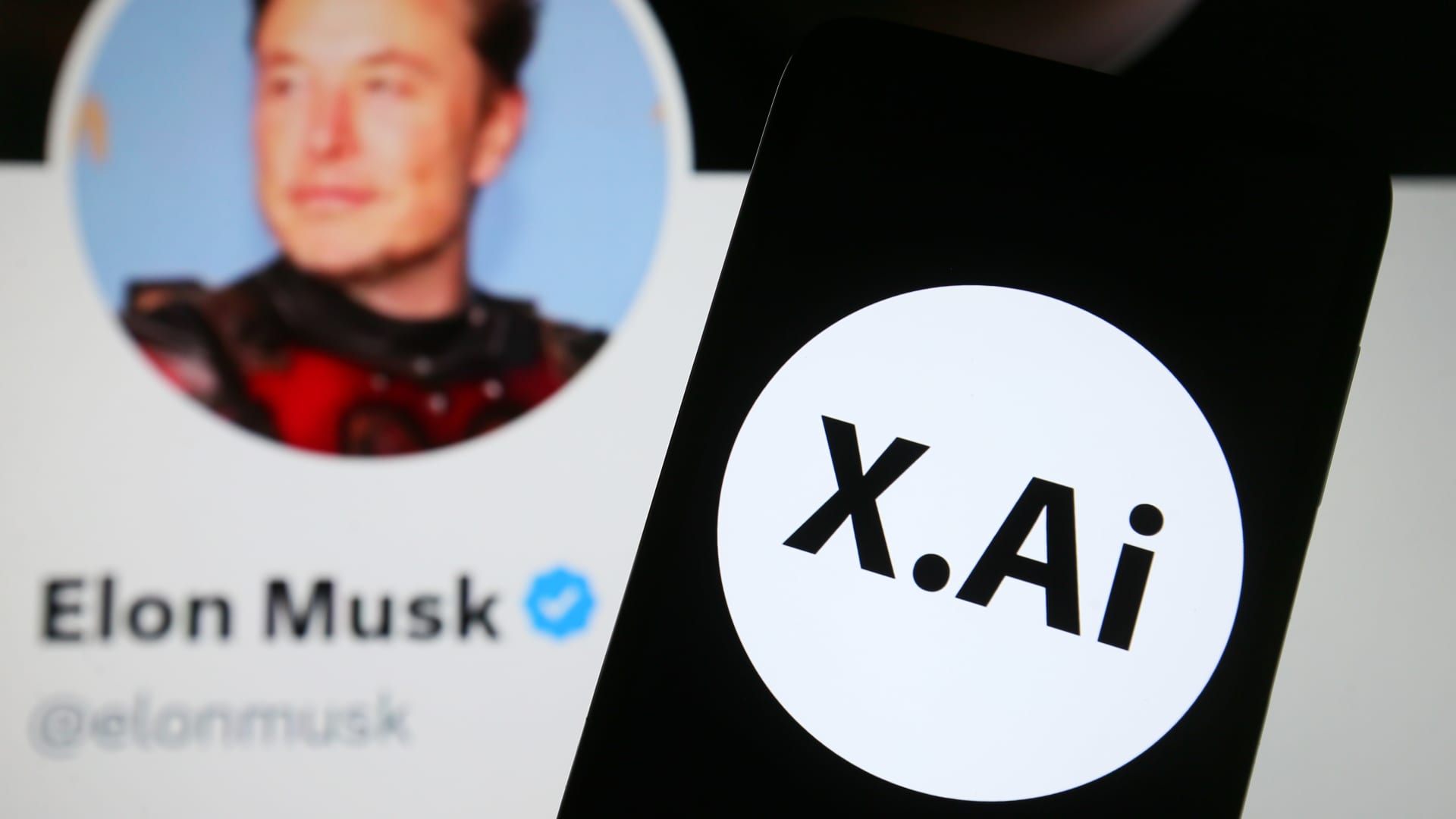
The clash between Musk and Altman could have a significant impact on the future of artificial intelligence. The funds raised by OpenAI through an IPO could help the company solidify its early-established leadership in the industry. On the other hand, if Musk wins, his own AI company, xAI, could weaken a major competitor and have the opportunity to overtake.
“This is both a commercial contest and a matter of personal pride,” noted tech observer Alex Kantrowitz. He pointed out that Musk is asking the court to return the proceeds to the charity rather than to himself. “For Elon, in this case, pride is more important than money,” Kantrowitz said.
Comments
Discussion is powered by Giscus (GitHub Discussions). Add
repo,repoID,category, andcategoryIDunder[params.comments.giscus]inhugo.tomlusing the values from the Giscus setup tool.